 English
 简体中文
简体中文  Esperanto
  Afrikaans
  Català
  שפה עברית
  Cymraeg
  Galego
  繁体中文
繁体中文  Latviešu
  icelandic
  ייִדיש
  беларускі
  Hrvatski
  Kreyòl ayisyen
  Shqiptar
  Malti
Malti  lugha ya Kiswahili
  አማርኛ
አማርኛ  Bosanski
  Frysk
Frysk  ភាសាខ្មែរ
  ქართული
  ગુજરાતી
  Hausa
Hausa  Кыргыз тили
  ಕನ್ನಡ
ಕನ್ನಡ  Corsa
Corsa  Kurdî
Kurdî  മലയാളം
  Maori
Maori  Монгол хэл
  Hmong
Hmong  IsiXhosa
  Zulu
Zulu  Punjabi
  پښتو
پښتو  Chichewa
  Samoa
Samoa  Sesotho
  සිංහල
සිංහල  Gàidhlig
  Cebuano
  Somali
  Тоҷикӣ
  O'zbek
  Hawaiian
  سنڌي
سنڌي  Shinra
  Հայերեն
  Igbo
Igbo  Sundanese
  Lëtzebuergesch
  Malagasy
  Yoruba
  Español
  Português
  русский
  Français
  日本語
日本語  Deutsch
  tiếng Việt
  Italiano
  Nederlands
  ภาษาไทย
  Polski
  한국어
한국어  Svenska
  magyar
  Malay
Malay  বাংলা ভাষার
  Dansk
Dansk  Suomi
Suomi  हिन्दी
  Pilipino
  Türkçe
  Gaeilge
  العربية
  Indonesia
  Norsk
Norsk  تمل
تمل  český
český  ελληνικά
  український
  Javanese
  فارسی
فارسی  தமிழ்
தமிழ்  తెలుగు
  नेपाली
  Burmese
  български
  ລາວ
ລາວ  Latine
  Қазақша
  Euskal
  Azərbaycan
  Slovenský jazyk
  Македонски
  Lietuvos
  Eesti Keel
  Română
  Slovenski
  मराठी
मराठी  Srpski језик


How do Suspension Testers Play Core Roles in the Four Key Automotive Scenarios of Production, Maintenance, Inspection, and R&D?
As a key system connecting the vehicle body and wheels, the automotive suspension directly impacts driving safety, ride comfort, and handling performance. With the features of "high-precision testing and efficient diagnosis", suspension testers have deeply penetrated four major scenarios—automotive production, maintenance, inspection, and R&D. They have become core tools for solving suspension issues such as abnormal noise, deviation, and performance degradation, driving the standardized upgrading of the automotive aftermarket and manufacturing industry.
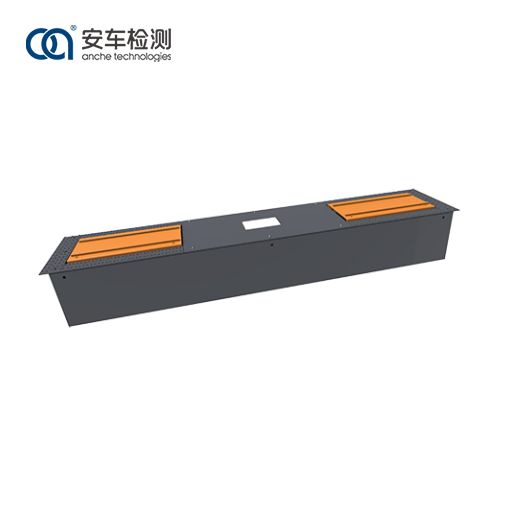
1. Automotive Production Workshops: Off-line Quality Inspection to Ensure Factory Shipment Quality
At the end of the final assembly line in automobile manufacturers, suspension testers act as the "last line of defense before shipment" to ensure that the suspension parameters of each vehicle meet standards:
Adopting laser positioning and pressure sensing technology, it can complete the testing of suspension stiffness and damping coefficient for a single vehicle within 3 minutes, increasing efficiency by 300% compared with traditional manual testing.
Data from a certain automobile manufacturer shows that after introducing the tester, the non-conforming rate of suspension parameters dropped from 5% to 0.8%, avoiding factory rework caused by suspension problems and saving over 200,000 yuan in costs per month.
2. Automotive Maintenance Stores: Fault Diagnosis for Accurate Problem Localization
In maintenance scenarios, testers address the pain point of "difficult suspension fault judgment" and facilitate rapid repairs:
By simulating suspension dynamic responses under different road conditions (such as bumpy roads and curves), it can accurately locate issues like shock absorber oil leakage, spring degradation, and bushing aging, with a diagnostic accuracy rate of 98%.
Compared with the traditional method of "judging by experience through test drives", after maintenance stores use the tester, the rework rate for suspension faults dropped from 15% to 2%, and the maintenance time per vehicle was reduced by 40 minutes.
3. Third-Party Inspection Institutions: Compliance Testing to Issue Authoritative Reports
In scenarios such as motor vehicle annual inspections and used car evaluations, testers are core equipment for compliance testing:
They comply with the requirements of GB 7258 Technical Conditions for Safety of Motor Vehicle Operation, and can test key indicators such as suspension absorption rate and left-right wheel difference, with a testing data error of ≤ ±2%.
Data from a certain inspection institution shows that after using the tester, the pass rate of suspension inspection reports increased to 99.2%, avoiding disputes caused by manual testing errors and enhancing the authority of the reports.
4. Automotive R&D Centers: Performance Optimization to Accelerate New Product Iteration
In the R&D stage, testers provide data support for suspension parameter calibration and optimize product performance:
They can simulate suspension performance under extreme environments (-30℃ to 60℃) and different loads, and record the variation curves of stiffness and damping with operating conditions.
Feedback from the R&D team of a certain automobile manufacturer indicates that with the help of the tester, the suspension calibration cycle for new vehicle models was shortened from 3 months to 1.5 months, helping new products launch ahead of schedule and seize market opportunities.
| Application Scenario | Core Application Value | Key Data | Target Users |
|---|---|---|---|
| Automotive Production Workshop | Off-line quality inspection to control factory shipment quality | Testing efficiency ↑300%, non-conforming rate 5%→0.8% | Automobile final assembly lines, whole-vehicle factories |
| Automotive Maintenance Store | Fault diagnosis for accurate repairs | Diagnostic accuracy 98%, rework rate 15%→2% | 4S stores, comprehensive maintenance workshops |
| Third-Party Inspection Institution | Compliance testing to issue authoritative reports | Error ≤±2%, report pass rate 99.2% | Motor vehicle inspection stations, used car evaluation institutions |
| Automotive R&D Center | Performance optimization to accelerate iteration | Calibration cycle 3 months→1.5 months | Automobile manufacturer R&D teams, component manufacturers |
Currently, suspension testers are evolving toward "intelligentization and portability". Some products support wireless data transmission and cloud-based analysis, and portable models weigh less than 5kg, adapting to scenarios such as outdoor rescue and on-site inspection. As a "testing tool" for automotive suspension systems, their multi-scenario adaptability will continue to provide strong support for the safety and performance upgrading of the automotive industry.
Send Inquiry


X
We use cookies to offer you a better browsing experience, analyze site traffic and personalize content. By using this site, you agree to our use of cookies.
Privacy Policy